

Barbie doll history and its impact in Traverse City |
Connects with Traverse City children's activities and artistic expression Traverse City |
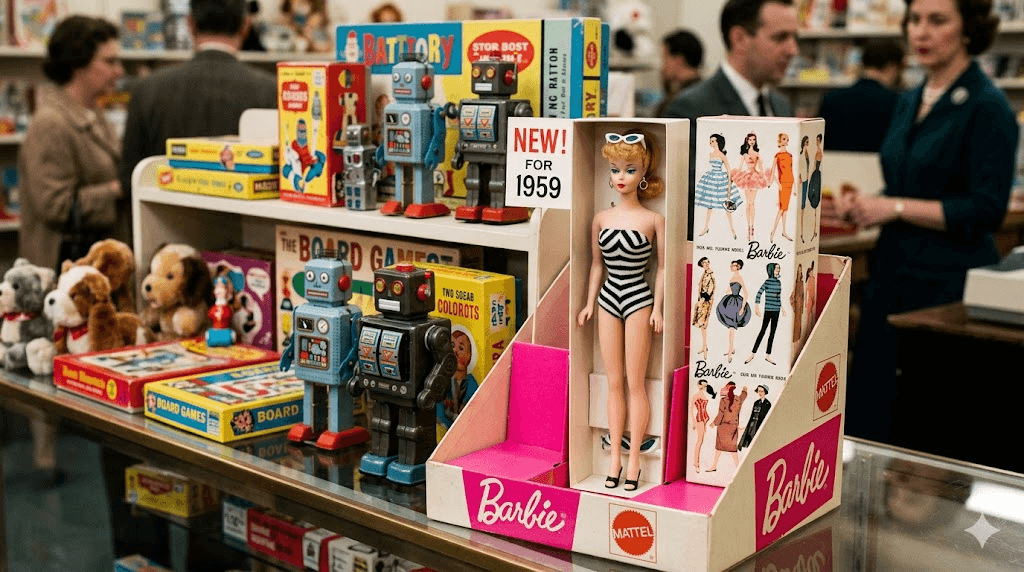
In 1959, Ruth Handler introduced the world to Barbie, a doll that would become a symbol of imaginative play and limitless possibilities. Unlike the baby dolls of the era, Barbie represented an independent adult, encouraging children to envision diverse futures.
Traverse City, known for its vibrant arts scene and community engagement, mirrors the creativity that Barbie has inspired for decades. Local events like the "Color the Corridor: A Community Art Adventure" invite families to participate in artistic expression, fostering a culture where imagination thrives. ([tadl.org](https://www.tadl.org/corridorcolor?utm_source=openai))
Over the years, Barbie has evolved to reflect societal changes, embracing diversity and inclusion. Recent additions to the Barbie lineup include dolls with Down syndrome, hearing aids, and prosthetic limbs, allowing more children to see themselves in their toys. ([apnews.com](https://apnews.com/article/b60ab201a42604aeec03ba06346e1197?utm_source=openai))
In Traverse City, this spirit of inclusivity is echoed through various children's activities that celebrate individuality and creativity. Workshops and community projects provide platforms for young minds to explore and express their unique perspectives.
Barbie's journey from a simple fashion doll to a multifaceted icon reflects a broader cultural shift towards embracing diversity and encouraging artistic expression. In communities like Traverse City, where the arts are integral to the local identity, Barbie's legacy continues to inspire new generations to dream big and create without limits. |
0 Comments
Join the conversation
Be the first to comment
Share your thoughts above.