
National anthem history and Traverse City, MI |
Explore Traverse City traditions and community events |
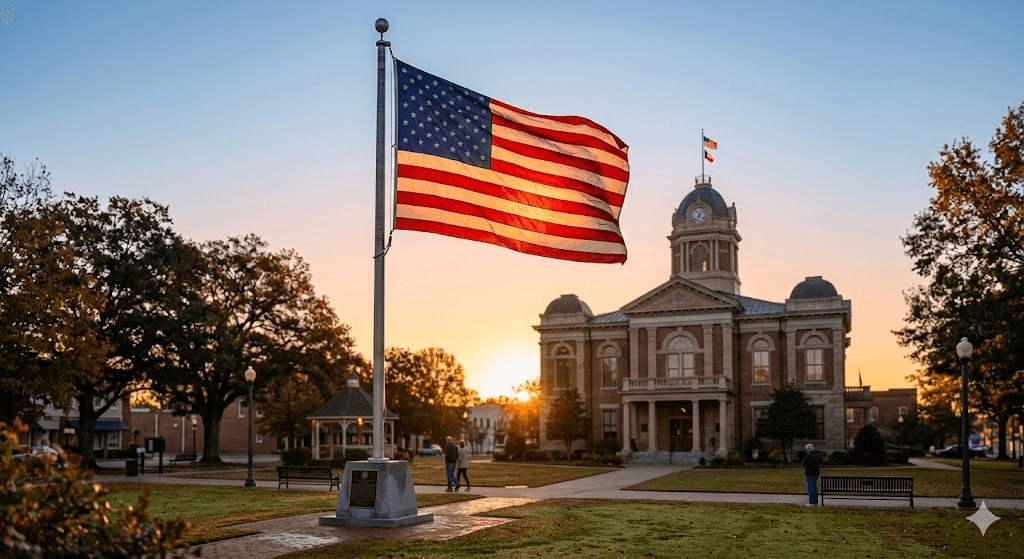
Long before its official recognition, "The Star-Spangled Banner" had already woven itself into the fabric of American life.
When it was formally adopted as the national anthem in 1931, it merely acknowledged a tradition that had organically taken root.
In Traverse City, where community events often unfold along the picturesque shores of Lake Michigan, music holds a special place.
Whether it's a festival, a waterfront gathering, or a local celebration, the anthem serves as a unifying moment—a pause that reminds attendees of their shared identity.
The power of the anthem lies in that collective pause.
It creates a brief stillness amid the festivities, where individuals, regardless of background, stand together in reflection.
This shared experience fosters a sense of belonging and community.
Traverse City's rich tapestry of traditions, from the renowned National Cherry Festival to intimate shoreline concerts, underscores the city's commitment to communal experiences.
In these settings, the familiar strains of the anthem resonate deeply, grounding the community in its collective history and values.
What began as a wartime poem by Francis Scott Key evolved into a national symbol of unity and resilience.
Its official adoption provided structure to a sentiment that had long been felt across the nation.
In communities like Traverse City, the anthem continues to hold significance—not out of obligation, but because it remains a cherished tradition.
It serves as a reminder that shared moments, even fleeting ones, shape the identity and cohesion of a community.
As the melody echoes over the waters and through the streets, it reinforces the bonds that tie the people of Traverse City together, celebrating both their unique local culture and their place within the broader American narrative. |
0 Comments
Join the conversation
Be the first to comment
Share your thoughts above.