

Television Broadcast History in Traverse City MI |
Covering television history traverse city and broadcast networks traverse city |
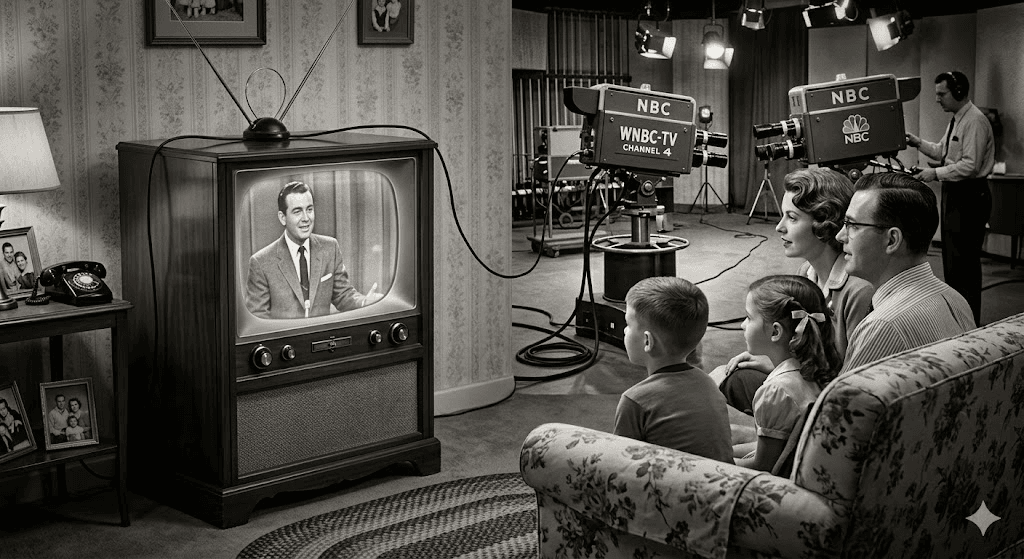
In the early days of television, transmitting moving images over long distances was a formidable challenge. Engineers worked tirelessly to develop systems that could carry television signals across cities and regions, transforming television from a local novelty into a national medium.
For communities like Traverse City, situated far from major metropolitan broadcast hubs, this technological advancement was particularly significant. The expansion of television networks brought the same news, cultural programs, and national events enjoyed by larger cities into the living rooms of Traverse City residents.
Television quickly became a shared experience. Families gathered together to watch programs, creating routines that shaped evenings and weekends. These moments often became cherished family memories.
In recent years, Traverse City's broadcasting landscape has continued to evolve. In 2023, WWTV, a longstanding broadcaster in Northern Michigan, completed a significant IP-based studio upgrade. This project connected their newly relocated Traverse City studio with its control room 50 miles away in Cadillac, enhancing production efficiency and communication.
Additionally, in April 2023, a new NextGen television service launched in Traverse City, offering residents access to over 60 channels, including live news, sports, and weather. This service, in partnership with Heritage Broadcasting, also introduced the regional sports network Michigan Sports Now Plus, allowing fans to watch in-demand high school and college teams throughout the season.
These developments reflect Traverse City's ongoing appreciation for shared experiences. Local festivals, events, and storytelling continue to bring people together, mirroring the communal nature of early television viewing.
The technology behind broadcasting may have been complex, but its cultural impact was simple: it connected people. By carrying images across distances, television helped communities feel more closely linked to one another and to the broader national conversation. |
0 Comments
Join the conversation
Be the first to comment
Share your thoughts above.